


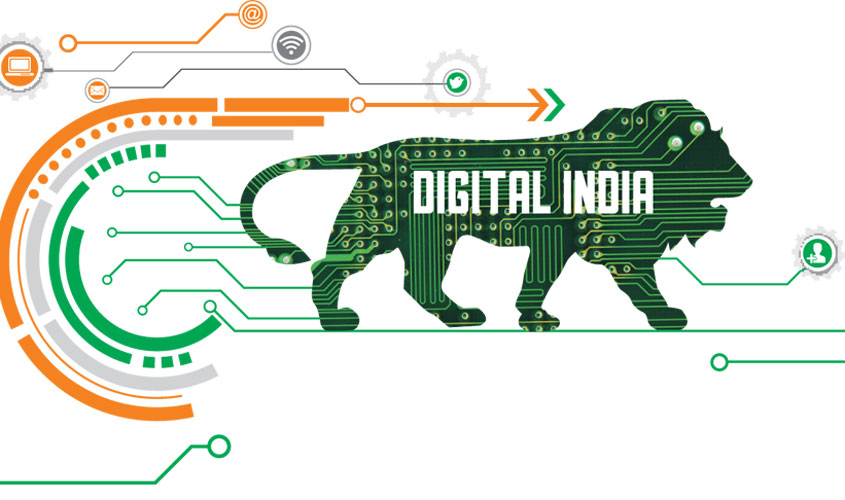

Digital India is a flagship initiative of the Government of India, launched in July 2015 under the visionary leadership of Prime Minister Narendra Modi. The initiative is aimed at leveraging the power of technology to empower citizens, improve governance, and transform India into a digitally empowered society and knowledge economy.
Background
In an increasingly digitized world, access to digital technologies and the internet has become imperative for economic growth, social development, and inclusive progress. However, in India, despite rapid advancements in technology, digital divide and access gaps persist, particularly in rural and remote areas. The Digital India initiative seeks to bridge these gaps and harness the transformative potential of technology to empower every Indian citizen.
Objectives
The primary objective of Digital India is to ensure that every citizen has access to digital services, infrastructure, and opportunities, irrespective of their geographical location or socio-economic status. The initiative aims to transform governance, promote digital literacy, facilitate digital inclusion, and spur digital entrepreneurship and innovation across various sectors.
Key Pillars
Digital Infrastructure: Digital India focuses on building robust digital infrastructure, including high-speed internet connectivity, broadband highways, and digital literacy centers, to ensure seamless access to digital services and information across the country.
Digital Services: The initiative aims to digitize government services and processes, making them accessible to citizens through digital platforms such as portals, mobile apps, and e-governance initiatives like Digital Locker, eSign, and Aadhaar-enabled services.
Digital Literacy: Digital India emphasizes the importance of digital literacy and skill development to enable citizens to leverage digital technologies effectively. Programs such as Pradhan Mantri Gramin Digital Saksharta Abhiyan (PMGDISHA) aim to impart digital literacy skills to rural communities.
Digital Inclusion: The initiative seeks to promote digital inclusion by ensuring that marginalized and vulnerable groups, including women, farmers, youth, and persons with disabilities, have access to digital tools, services, and opportunities.
Cybersecurity: Digital India prioritizes cybersecurity and data privacy to safeguard digital assets, protect citizens’ rights, and foster trust and confidence in digital transactions and services.
Progress and Impact
Since its launch, Digital India has made significant strides in transforming India’s digital landscape and empowering citizens. The initiative has facilitated the rollout of various digital services and platforms, including Digital Payments, DigiLocker, eHospital, and MyGov, making governance more transparent, efficient, and citizen-centric.
Digital literacy initiatives have empowered millions of individuals with digital skills, enabling them to access information, education, healthcare, and government services online. Furthermore, Digital India has catalyzed digital entrepreneurship and innovation, fostering a vibrant ecosystem of startups, technology-driven enterprises, and digital solutions across sectors.
Challenges and Way Forward
While Digital India has achieved commendable success, challenges such as digital divide, infrastructure constraints, cybersecurity threats, and privacy concerns persist. Addressing these challenges requires sustained efforts, innovative solutions, and collaboration among government agencies, private sector stakeholders, civil society organizations, and citizens.
In conclusion, Digital India represents a bold vision and transformative agenda to harness the power of technology for inclusive growth, social empowerment, and sustainable development. By fostering digital inclusion, innovation, and entrepreneurship, the initiative is paving the way for a digitally empowered India that thrives in the digital age.
Our vision is to address the “United Nations’ 2030 Agenda for Sustainable Development along with India 2030” by adopting a holistic strategy till 2030, through a comprehensive approach between the hierarchy of Governance and their stakeholders.


Vipin Kumar Sahu is the founder of the Indus Initiative Council and has served various Hon’ble Member of Parliament as their Political Secretary and in present working with Hon’ble Member of Parliament Shri Sangam Lal Gupta, Member of Parliament from Pratapgarh(U.P) who is also holding the office of National General Secretary BJP OBC Morcha. Mr. Sahu holds a Master’s Degree in Journalism and is having a vast experience of over 20 years in the field of Journalism and has in-depth knowledge and knowhow for the Government affairs, Schemes and Policies.
He also own’s monthly national news Magazine Rashtriya Chanakya Varta, which is performing not only the media dharma but also carrying out the social responsibility from the dais of media. Rashtritya Chanakya Varta also works over the Central and State government schemes and policies and advertises them to bring more awareness in public about the same.
Prior to founding Indus Initiative Council, Vipin always had a vision of facilitating the outreach of various social welfare schemes to the grassroots level through the concept of Constituency Development through UNSDGs. He further looks forward to build a holistic synergy between top-down model of governance by collaborating with private investors, technologists, policy- makers, thinkers amongst various others.
Vikas Singh graduated in Mass Communication and also an MBA in Marketing. He is known for his Out of the Box thinking, Creativity, Lucrative ideas for government affairs and strategies.
He has worked with various multinational companies in various engagements and helped clients across the globe in their strategy. He also witnessed how invaluable solid guidance and support of entrepreneurs, NGOs and different bodies working in the public sector can be, which serves him well in his role at Indus Initiative Council.
He started his career in 2011 and has vast knowledge for the Corporate Planningin Marketing, Strategy, Political affairs and Government Schemes and serves as an advisor to multiple Non For Profit Organizations and Private Players.
Vinod Kataria, post graduated with a degree in Hindi literature from the Delhi University and currently a Law professional, in Delhi and Gurugram. For sixteen years he was a journalist and wrote for many national and international magazines including PC Magazine India, Electronic Components—Hong Kong, EDN Asia—Singapore, ECN Asia—Singapore, Electronics Mega Mind—India, Computer Mega Mind—India, Chanakya Varta—India, Base Line—India.
Vinod Kataria has a hobby of social work and worked voluntarily for many NGO and Trusts. He is holding the post of President with Universal Care, an NGO working for upliftment of the need and poor.
In 2012, Vinod Kataria left the journalism and became a full-time lawyer and freelance journalist. Currently, he is a lawyer and practicing in Supreme Court, Delhi High Court, Delhi District Courts and Gurugram District Courts.